

DEFECTIVE PRODUCT CLAIMS
Denver Product Liability Lawyer
A product can cause a serious injury without being legally defective.
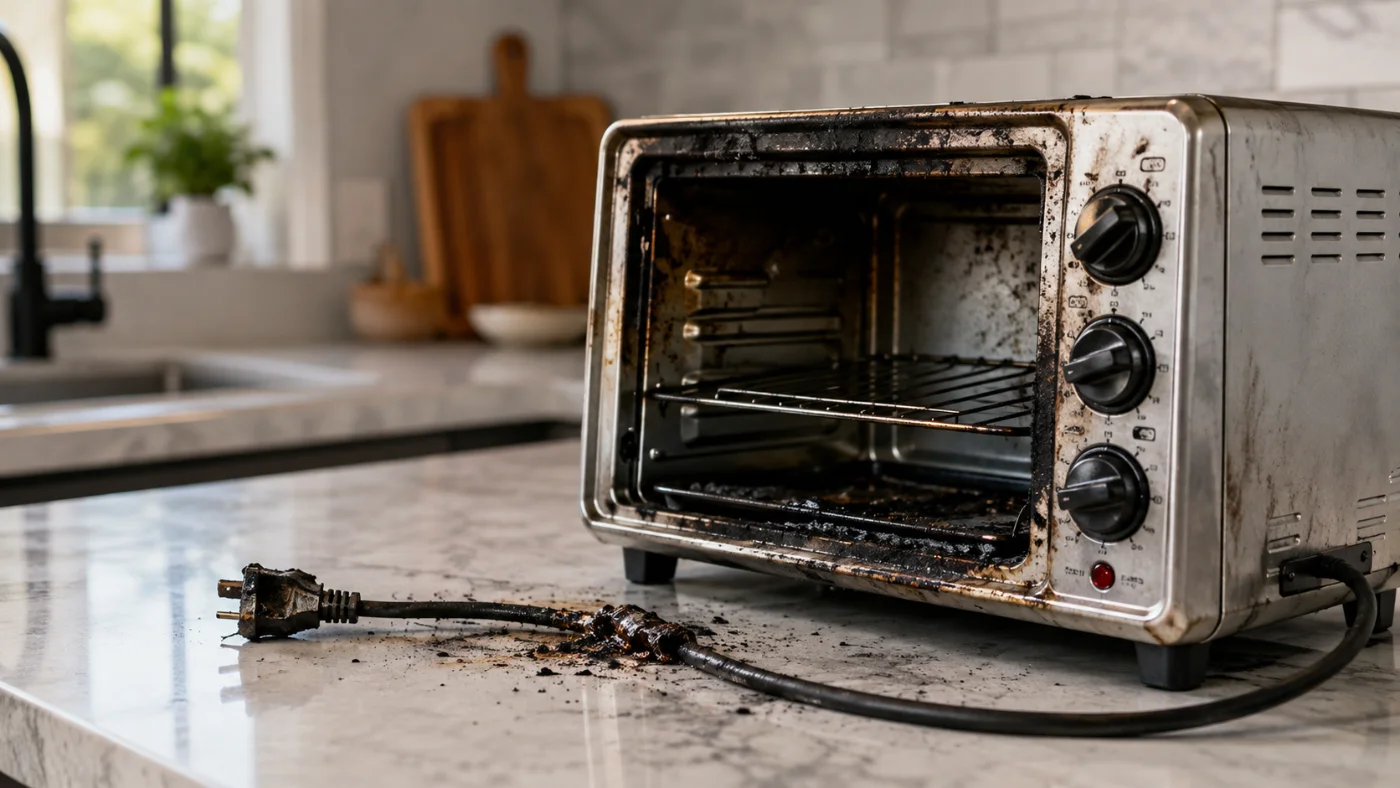
Colorado product-liability law requires more. The product has to be tied to a legally recognized defect, the defect has to exist at the relevant time, and the evidence has to connect that defect to the injury. Colorado law also gives manufacturers and some sellers statutory defenses and presumptions that do not exist in an ordinary negligence case.
The injury starts the investigation. The product itself usually decides whether the investigation can go anywhere.
Identify the Defect.
Colorado’s product-liability statutes appear principally in C.R.S. §§ 13-21-401 through 13-21-406. The statutory definition of a “product liability action” is broad enough to include claims involving manufacture, construction, design, assembly, testing, packaging, labeling, warnings, instructions, and sale.
Manufacturing Defects Differ.
A manufacturing defect concerns what happened while a particular product or component was being made or assembled. The design itself may be sound, but the item that reached the consumer departed from what it was supposed to be. Failed welds, contaminated material, missing fasteners, incorrect assembly, or a defective component can raise that kind of claim.
Comparison evidence can matter. Another unit of the same model, engineering specifications, quality-control records, production records, photographs, measurements, and examination of the failed part can help determine whether the product that caused the injury differed from its intended condition.
Design Defects Run Deeper.
A design-defect claim does not depend on a factory mistake. The product may have been manufactured exactly as intended and still be alleged to be unreasonably dangerous because of the design itself. Technical evidence concerning the product’s risks, benefits, intended use, and safer design choices can become central.
Warnings Can Be Defective.
A product can also be defective because adequate warnings or instructions were not provided. The question is whether the warning communicated a specific risk associated with intended or reasonably expected use. The actual label, manual, packaging, safety decals, and instructions that accompanied the product at the time of sale therefore matter.
Keep the Product Intact.
Do not throw the product away. Do not return it to the store. Do not let a manufacturer take permanent possession of it before the evidence is protected. Do not repair, modify, disassemble, clean, or test it casually after an injury.
A product case can depend on the failed component, fracture surface, residue, wiring, guarding, software state, fasteners, warnings, or configuration that existed at the time of the incident. Once that condition changes, an expert may no longer be able to determine why the product failed.
The product should be secured safely rather than used again. Preserve its packaging, manuals, receipts, serial and model numbers, photographs, replacement parts, purchase records, and any communications with the seller or manufacturer. If a Denver retailer or a manufacturer wants to inspect it, the inspection can be arranged without surrendering the evidence.
A destroyed product does not mechanically end every possible case, but losing the central physical evidence can make defect and causation substantially harder to prove.
Trace the Product Chain.
The company that sold the product is not automatically a proper product-liability defendant. Colorado’s “innocent seller” statute, C.R.S. § 13-21-402, generally prevents a product-liability action against a seller unless the seller also qualifies as a manufacturer of the product or of the relevant component.
Colorado defines “manufacturer” more broadly than the factory that built the item. The definition can include an assembler or component manufacturer, and can also reach a seller that actually knew of the defect, supplied specifications relevant to it, exercised significant control over manufacturing, significantly altered the product before sale, or had specified ownership relationships with the manufacturer. Private labeling alone does not necessarily make a retailer the manufacturer.
There is another important exception. If jurisdiction cannot be obtained over the manufacturer of the defective product or component, the manufacturer’s principal distributor or seller within the court’s jurisdiction may be treated as the manufacturer for purposes of the statute.
Manufacturer, component maker, assembler, importer, distributor, and retailer therefore require separate analysis. Their place in the distribution chain does not automatically establish liability, but it determines who designed, changed, controlled, supplied, or sold the part of the product that matters.
Confront the Presumptions.
Colorado gives product defendants several statutory presumptions, and each one is rebuttable. Under C.R.S. § 13-21-403(1), a product is presumed not defective and its manufacturer or seller not negligent if, before sale, the product conformed to the state of the art applicable at the time. The statute expressly distinguishes state of the art from ordinary industry standards.
The same rebuttable presumption applies when the product complied at the time of sale with an applicable code, standard, or regulation adopted by the United States, Colorado, or one of their agencies. Compliance therefore helps the defense, but it does not create immunity. The presumption can be rebutted with other evidence of defect or negligence.
The statute also works in the other direction. If a product failed to comply with an applicable governmental code, standard, or regulation in effect when it was sold, and that noncompliance contributed to the claim or injury, § 13-21-403(2) creates a rebuttable presumption that the product was defective or negligently manufactured.
Product age creates another obstacle. Ten years after a product is first sold for use or consumption, § 13-21-403(3) creates a rebuttable presumption that the product was not defective, that the manufacturer or seller was not negligent, and that its warnings and instructions were adequate. Ten years does not automatically extinguish an ordinary product claim. It changes the evidentiary starting point.
Test Misuse and Alteration.
Colorado has a specific misuse defense. Under C.R.S. § 13-21-402.5, a product-liability action cannot be maintained when the product was used for a purpose or in a manner that was unintended, could not reasonably have been expected, and that misuse caused the injury. All three parts matter. An unintended use the manufacturer reasonably could have expected is not the same thing as statutory misuse.
Alteration raises a related but different question. Products are repaired, modified, fitted with replacement components, used without guards, or incorporated into larger systems. A later change can affect whether the alleged defect existed when the product left the defendant’s control and whether that defect actually caused the injury. A modification is not automatically a complete defense simply because the product no longer looks exactly as it did when sold.
Colorado also uses a product-specific comparative-fault statute. Under C.R.S. § 13-21-406, fault attributed to the injured person reduces damages proportionally but does not itself bar recovery, and the ordinary comparative-negligence statute in § 13-21-111 does not apply to product-liability actions. Statutory misuse is different, because qualifying misuse can prevent the action from being maintained at all.
Separate the Two Clocks.
Colorado generally requires product-liability actions against manufacturers or sellers to be brought within two years after the claim arises. C.R.S. § 13-80-106 applies regardless of whether the theory involves design, manufacture, warnings, instructions, or another substantive theory covered by the statute.
That limitations period should not be confused with the ten-year presumption. For an ordinary product, reaching ten years after first sale creates a rebuttable evidentiary presumption. It is not a general statute of repose that automatically eliminates every later claim.
Colorado does have a true seven-year repose provision for a narrower category. C.R.S. § 13-80-107 generally bars qualifying claims involving new manufacturing equipment when the claim arises more than seven years after the equipment was first used for its intended purpose by someone outside the business of manufacturing, selling, or leasing that equipment. “Manufacturing equipment” is statutorily defined as equipment used to produce a new product, article, substance, or commodity for commercial sale.
The seven-year rule contains exceptions, including claims involving hidden defects or prolonged exposure to hazardous material, intentional misrepresentation or fraudulent concealment, and certain express written warranties extending beyond the repose period. Someone injured by an older industrial machine therefore faces a different time analysis from someone injured by an older household appliance.
Treat Recalls Carefully.
A recall can be important evidence, but it is not a liability finding. A recall may identify a failure mode, affected models or serial numbers, reported incidents, or corrective action. The injured person’s case still requires proof that the particular product was defective and that the defect caused the injury.
The reverse is also true. The absence of a recall is not a defense establishing that a product was safe. Products can be defective without a government agency or manufacturer ever announcing a recall.
Preserve recall notices, safety bulletins, warranty communications, stop-use instructions, repair campaigns, and manufacturer correspondence connected to the product. Their legal effect and admissibility depend on the circumstances, but they can help identify what the manufacturer knew and what problem was being investigated.
Document the Medical Harm.
The product case and the injury case answer different questions. An engineer may explain why a machine failed. That does not establish what the failure did to the person using it. Medical records, imaging, surgery, rehabilitation, work restrictions, functional evidence, and expert testimony may still be needed to connect the incident to the claimed injuries.
Traumatic Brain Injury.
An explosion, fall, ejection, impact, or failed safety system can cause a traumatic brain injury. Brain injury proof can involve cognitive, behavioral, vestibular, neurological, and baseline evidence even when conventional imaging does not show dramatic structural damage.
Permanent Physical Injury.
Burns, amputations, paralysis, spinal cord injuries, crush injuries, and other permanent impairment can require proof extending decades beyond the incident. Future treatment, prosthetics, attendant care, lost earning capacity, home modification, and other lifetime consequences are addressed more fully in catastrophic injury claims.
Other Product Injuries.
Defective products can also cause fractures, lacerations, eye injuries, nerve damage, electrocution injuries, orthopedic damage, inhalation injuries, and internal trauma. The severity of the accident does not substitute for medical causation. Each claimed condition still has to be tied to the product failure with evidence.
Rex Legal Protects the Evidence.
Rex Legal starts with the product, because it is often the one piece of evidence that cannot be recreated later. Michael Rex remains directly involved in preserving the product, identifying the companies responsible for it, evaluating the statutory obstacles, and developing the defect and medical proof.
Product Liability Questions.
What makes a product defective in Colorado?
A product claim can involve a manufacturing defect, a defective design, or inadequate warnings or instructions. A manufacturing claim asks whether the particular item departed from its intended condition. A design claim challenges the product as designed even if it was built correctly. A warning claim asks whether users received adequate information about relevant risks. Every theory also requires proof connecting the defect to the injury.
Can I sue the store that sold me the defective product?
Not automatically. Colorado’s innocent-seller rule generally prevents a product-liability action against a seller unless the seller also qualifies as a manufacturer under Colorado law. Exceptions can involve a seller that knew of the defect, significantly controlled or altered the product, supplied relevant manufacturing specifications, or had specified ownership ties to the manufacturer. A principal distributor or seller can also be treated differently when jurisdiction cannot be obtained over the manufacturer.
What does the government-standards presumption mean?
Under C.R.S. § 13-21-403, compliance at the time of sale with an applicable federal or Colorado governmental code, standard, or regulation creates a rebuttable presumption that the product was not defective and the manufacturer or seller was not negligent. It does not automatically defeat the claim. Qualifying noncompliance that contributed to the injury creates a rebuttable presumption pointing the other direction.
How long do I have to sue, and what is a statute of repose?
Colorado product-liability actions generally have a two-year limitations period under C.R.S. § 13-80-106. A statute of repose is different, because it can cut off a claim based on the age of the product or equipment rather than on when the injury was discovered. Colorado has a seven-year repose provision for qualifying new manufacturing equipment under § 13-80-107, subject to statutory exceptions.
Do I need to keep the product that injured me?
Yes, whenever it can be preserved safely. Do not throw it away, return it, repair it, clean it, modify it, or surrender permanent possession before the evidence is protected. Preserve broken pieces, packaging, manuals, serial and model numbers, receipts, photographs, and correspondence too. The physical product may contain the only evidence showing what failed and why, and losing it can make defect and causation much harder to prove.
What does a product recall mean for my claim?
A recall can support an investigation, but it does not automatically establish that the manufacturer is legally liable for your injury. The particular defect and causation still have to be proved. A recall may identify affected products, known failure modes, or corrective action. The absence of a recall does not prove the opposite; a product can be defective even when no formal recall has been issued.
What if I used the product in a way the manufacturer did not intend?
Unintended use does not automatically defeat a Colorado product-liability claim. Under C.R.S. § 13-21-402.5, statutory misuse requires an unintended use that could not reasonably have been expected and that caused the injury. If the use was reasonably foreseeable, the complete misuse defense does not follow merely because the manufacturer preferred a different use. Other conduct by the injured person can still affect damages under Colorado’s product-specific comparative-fault statute.
Who besides the manufacturer might be responsible?
Depending on the evidence, relevant companies can include a component manufacturer, designer, assembler, importer, distributor, or seller. Colorado limits product-liability claims against innocent sellers, so participation in the distribution chain alone does not establish liability. The investigation should identify who designed the relevant feature, manufactured the failed component, assembled or altered the product, supplied specifications, knew of a defect, or otherwise falls within Colorado’s statutory framework.
Tell Us What Happened.
If a product caused a serious injury, Michael Rex can review how it failed, who designed or manufactured the relevant component, what statutory presumptions or time limits apply, and how the product should be preserved. Available 24 hours a day, 7 days a week.